The evolution of gambling practices through the centuries
Ancient Beginnings of Gambling
The practice of gambling can be traced back thousands of years to ancient civilizations. Historical evidence suggests that the Chinese, Egyptians, and Romans engaged in various forms of betting and games of chance. The earliest known gambling games, such as dice and betting on the outcomes of events, were prevalent in these societies, often involving rituals and social gatherings. Today, players can enjoy similar thrills through various platforms, such as the Realbet casino app which brings this excitement into the digital age.
In ancient Rome, gambling was both a popular pastime and a regulated activity. Citizens would wager on gladiatorial contests and chariot races, while the government imposed laws to control excessive gambling. This blend of enjoyment and regulation laid the foundation for future gambling practices throughout history.
The Middle Ages and the Rise of Card Games
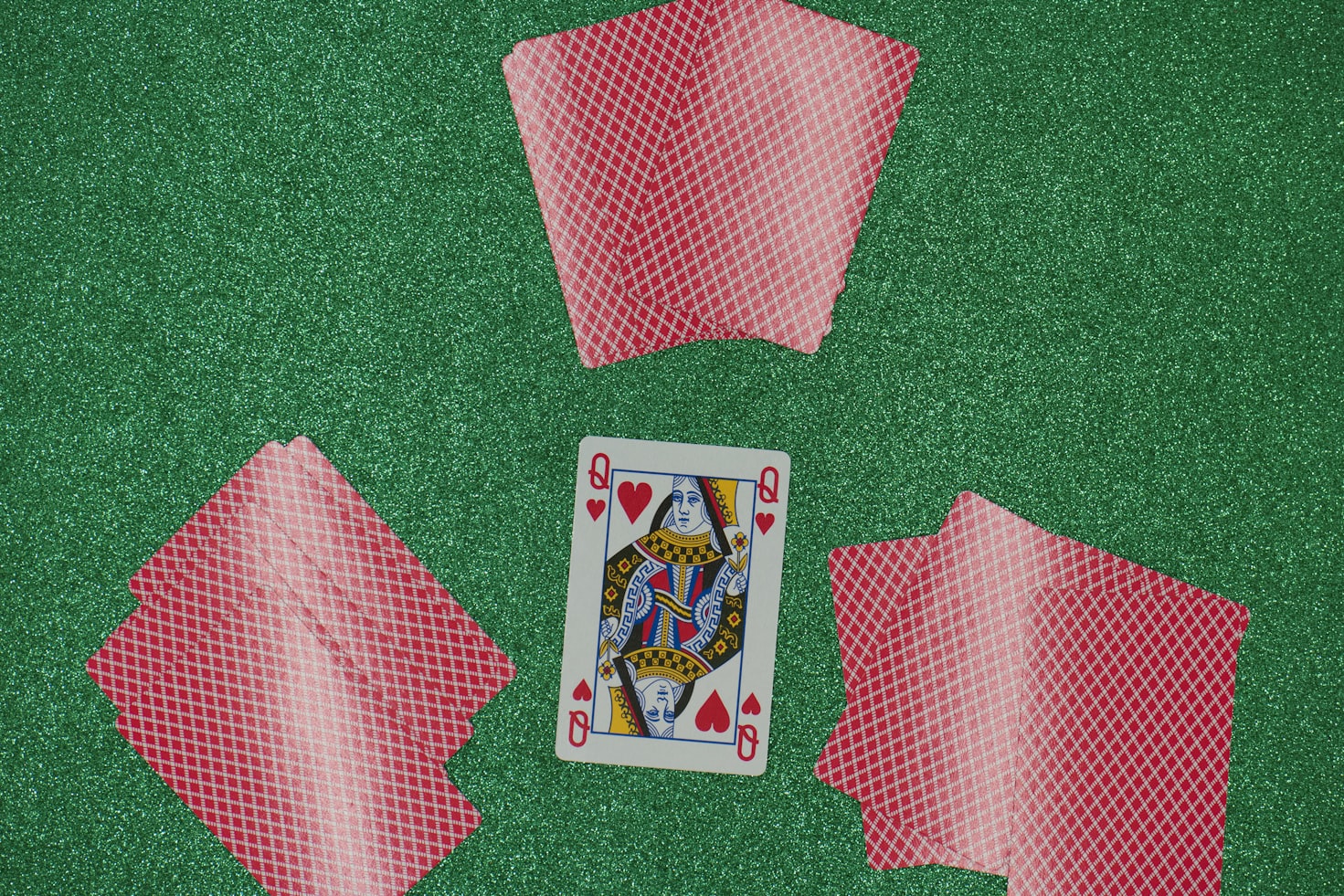
During the Middle Ages, gambling underwent significant changes with the introduction of card games. Originating in China and spreading to Europe, these games began to dominate gambling culture. Playing cards became a favored pastime among the nobility, leading to the development of various games, including poker and blackjack. As gambling flourished, it attracted more participants, making it more accessible for enthusiasts.
As card games evolved, so did the social implications of gambling. It became a reflection of status and wealth, with noble patrons often organizing lavish gambling events. These gatherings not only served as entertainment but also as a means of social networking, influencing the future of gambling in society.
The Emergence of Lotteries and Betting Houses
The 16th and 17th centuries saw the rise of state-sponsored lotteries and betting houses, which provided organized gambling opportunities to the public. Governments recognized the potential for revenue generation through lotteries, leading to their legalization and regulation. These lotteries became a popular means for funding public projects, from infrastructure to education.
Betting houses, which evolved into modern-day bookmakers, started to emerge during this period, allowing individuals to wager on various events, including horse racing. This shift marked the transition from informal gambling practices to a more structured industry, setting the stage for the gambling landscape we see today.
Modern Gambling: Casinos and Online Platforms
The 20th century brought significant advancements in gambling, with the establishment of casinos becoming widespread. These luxurious venues offered a range of games, from slots to table games, creating an immersive experience for players. The Las Vegas Strip became synonymous with glamour and entertainment, attracting millions seeking excitement and fortune.
With the advent of the internet, the gambling industry experienced another transformation. Online casinos emerged in the late 1990s, allowing players to engage in gambling from the comfort of their homes. This digital shift has led to the rise of various platforms, including those focused on cryptocurrency, catering to a tech-savvy audience looking for secure and convenient gaming options.

Exploring the Future with Realbet
As gambling practices continue to evolve, platforms like Realbet are at the forefront of innovation in the industry. Launched in 2023, this online casino specializes in crypto gaming, offering thousands of slot games and engaging live tables. Realbet emphasizes a user-friendly experience, ensuring that newcomers can easily navigate and enjoy their favorite games.
With enticing bonuses and a commitment to secure transactions, Realbet represents the exciting future of gambling. Players can explore a wide range of gaming opportunities while benefiting from the advantages of modern technology. Join Realbet today to discover a world of thrilling gambling experiences tailored for every enthusiast.